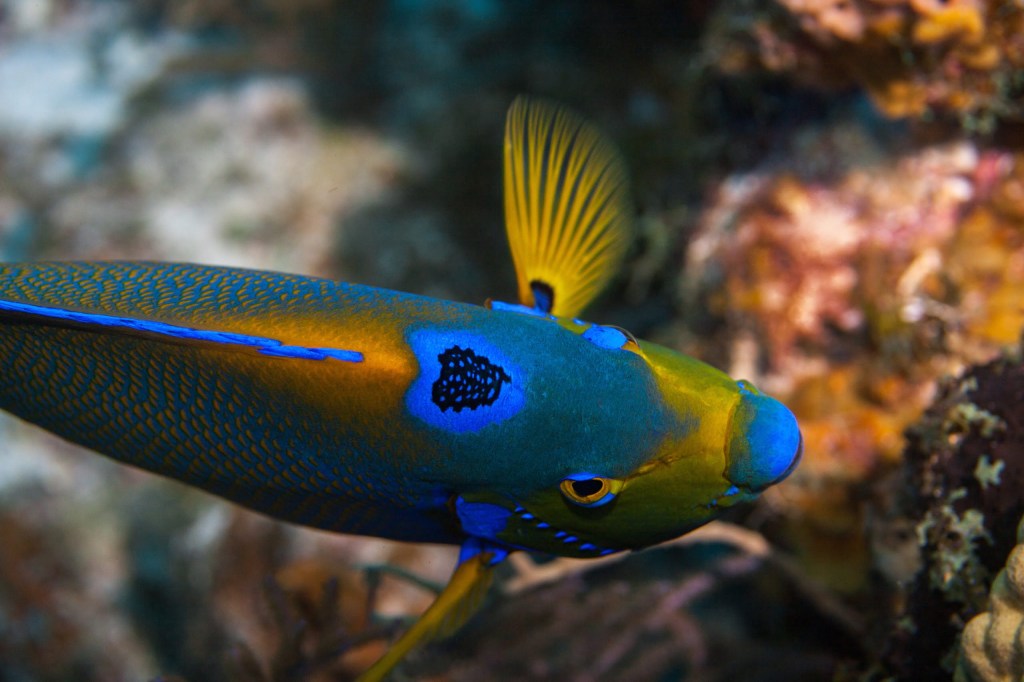
A day in the turquoise waters of Turks and Caicos promises sun-kissed skin and glowing memories. Whether you plan to swim, snorkel, or scuba dive, protecting your skin shouldn’t come at the expense of the vibrant reefs and marine life.
In this guide, we’ll explain why wearing reef-safe sunscreen matters, which ingredients to avoid, and the best brands to bring on your next island adventure.
Why Reef-Safe Sunscreen Matters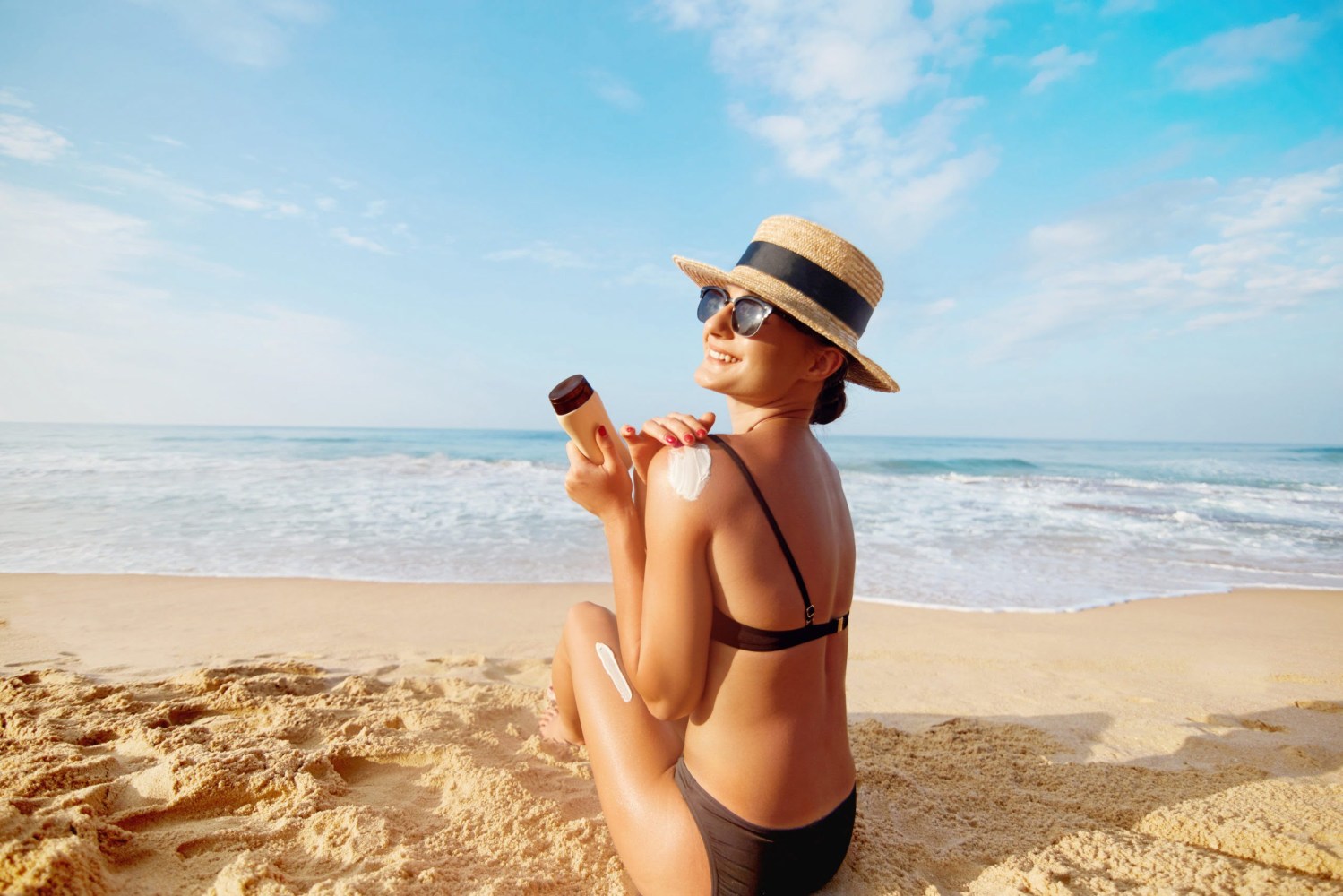
Coral reefs shelter marine life and protect coastlines from storms and hurricanes. Unfortunately, many sunscreens containing oxybenzone and octinoxate can harm these ecosystems, leading to coral bleaching, deformation, and reduced reproductive success.
By choosing a mineral-based sunscreen, you can keep your skin protected while helping to preserve these vibrant reefs for future generations.
What to Look for to Know if a Sunscreen is Reef-Safe
Active Ingredients
With so many sunscreen options on the shelf, choosing the right sun protection can be overwhelming. Many products labeled “reef-safe” contain chemicals like oxybenzone and octinoxate, which research shows can wash into the water and harm coral reefs.
So instead of looking for marketing claims, look for actual eco-friendly sun care products that use zinc oxide or titanium dioxide. These ingredients act as physical UV blockers, protecting the skin effectively while being far less likely to damage marine life.
Particle Size
Before grabbing your first sunscreen choice, check for “nano” ingredients on the label. Many regular sunscreen products use nanoparticles small enough to absorb into your skin and wash into the ocean, which can affect skin cells and damage coral reefs.
Non-nano zinc oxide is a safer choice. These larger particles stay on your skin’s surface, giving strong protection without washing into the water. It might leave some white streaks after you put it on, but it is much gentler on marine life.
Top Recommended Reef-Safe Sunscreens
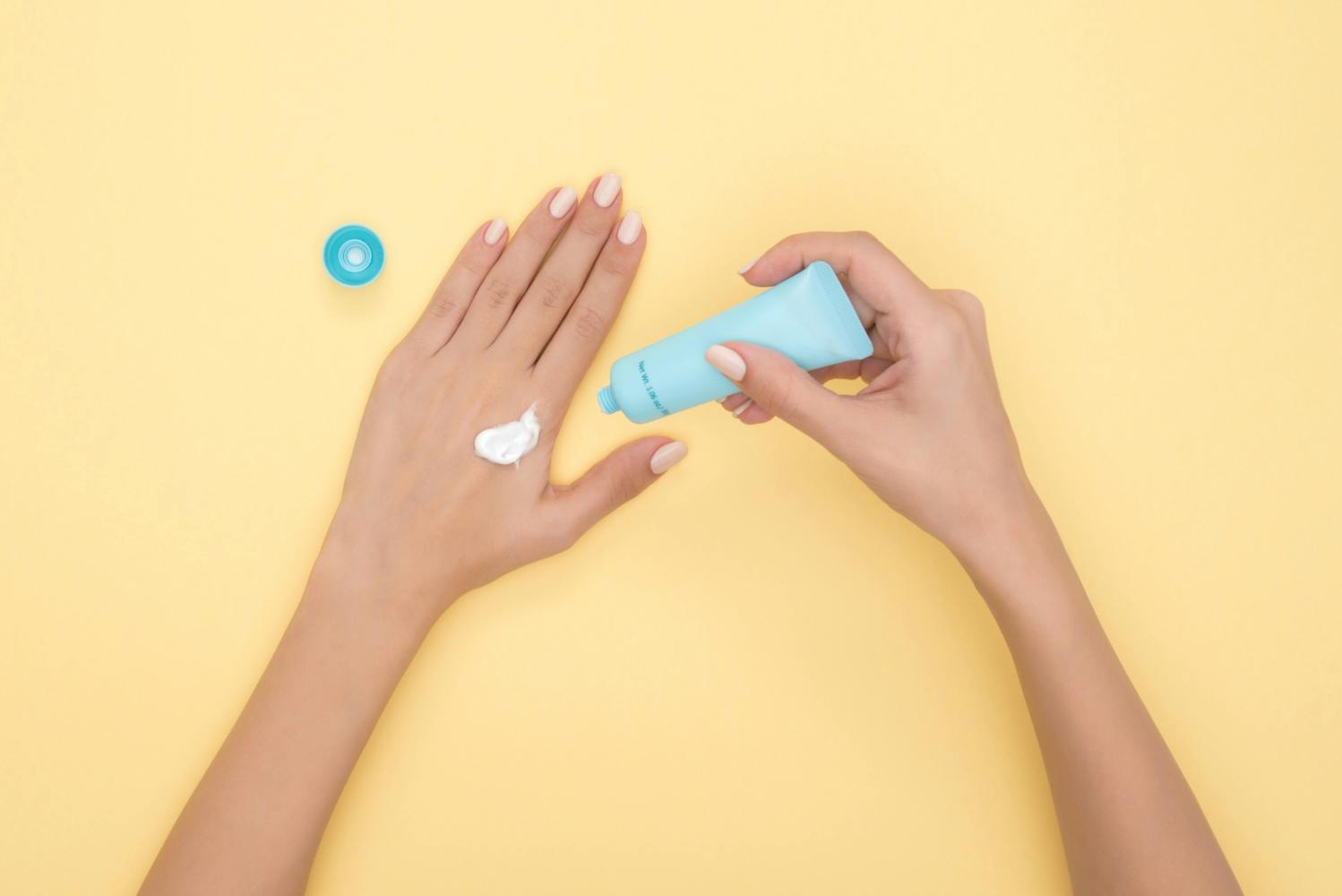
Thinksport SPF 50+ Mineral Sunscreen
Thinksport SPF 50+ is a vegan, lightweight, chemical-free sunscreen made with non-nano zinc oxide for broad-spectrum UVA & UVB protection. It absorbs beautifully, leaving a slightly matte finish, with no noticeable scent, and is sweat- and water-resistant for up to 80 minutes.
Badger SPF 30 Active Mineral Sunscreen Cream
An eco-friendly sunscreen that delivers reliable broad-spectrum UVA and UVB protection, Badger SPF 30 is also cruelty-free! Made with 98% organic ingredients and packaged in recyclable materials, this product is gentle on sensitive skin and remains water-resistant for up to 40 minutes.
Blue Lizard SPF 50+ Sheer Face Lotion
This reef-safe sunscreen applies smoothly and dries without leaving a white residue. With hyaluronic acid and antioxidants, it keeps your skin hydrated and shields it from UV rays. It’s paraben-free, fragrance-free, and water-resistant for up to 90 minutes.
Waxhead Zinc Oxide Sunscreen SPF 35
This Hawaii-approved sunscreen is designed for coral reef protection. With 25% non-nano, uncoated zinc oxide, it’s gentle enough for babies and sensitive skin. It delivers long-lasting, broad-spectrum UV protection, all without the use of petrochemicals or added fragrances.
FAQs About Reef Safe Sunscreen
- What ingredients make a sunscreen qualify as reef-safe?
Mineral-based sunscreens containing non-nano zinc oxide or titanium dioxide are less likely to be absorbed by ocean waters, making them gentler on marine life.
- Is mineral sunscreen better for coral reefs?
Yes. Non-nano mineral sunscreens protect skin with a physical barrier and are reef-safe, unlike chemical sunscreens, which can harm coral and marine life.
- How often should I reapply reef-safe sunscreen?
Reapply reef-safe sunscreen every 2 hours, or more after swimming, sweating, or towel-drying, even if it’s water-resistant, to maintain full protection.
- Are reef-safe sunscreens as effective as chemical ones?
Mineral or reef-safe sunscreens protect skin from harmful UV rays as effectively as chemical ones, but are considered more environmentally friendly.
- Can I buy reef-safe sunscreen in Turks and Caicos?
Yes. You can find it at Graceway Gourmet and any Independent Grocers Alliance (IGA).
Conclusion
If you love the beach and the underwater world, then you understand that even the smallest choices make big impacts beneath the surface. Choosing a reef-safe sunscreen is one of the simplest ways to protect the vibrant marine life you came to enjoy.
When booking a boat charter tour with Caicos Dream Tours, we ask that you pack reef-friendly sunscreen and join us in keeping our oceans clear and full of life for generations to come.